First Personal Training Session: What to Expect and How to Prepare (2026)
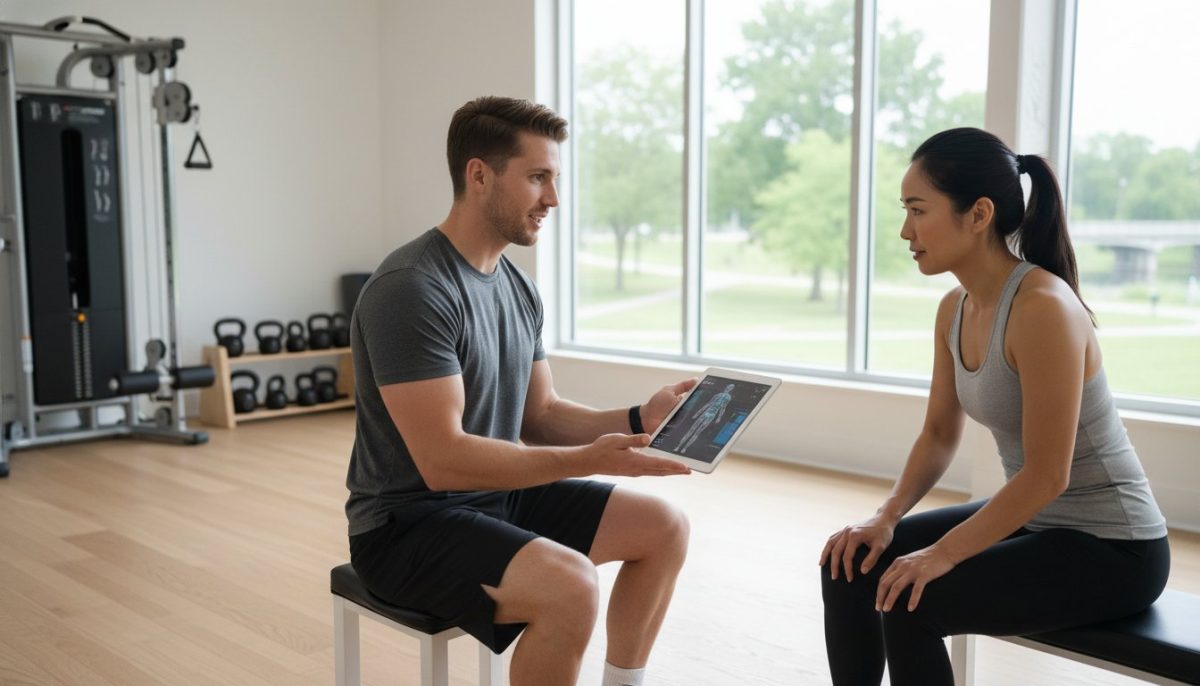
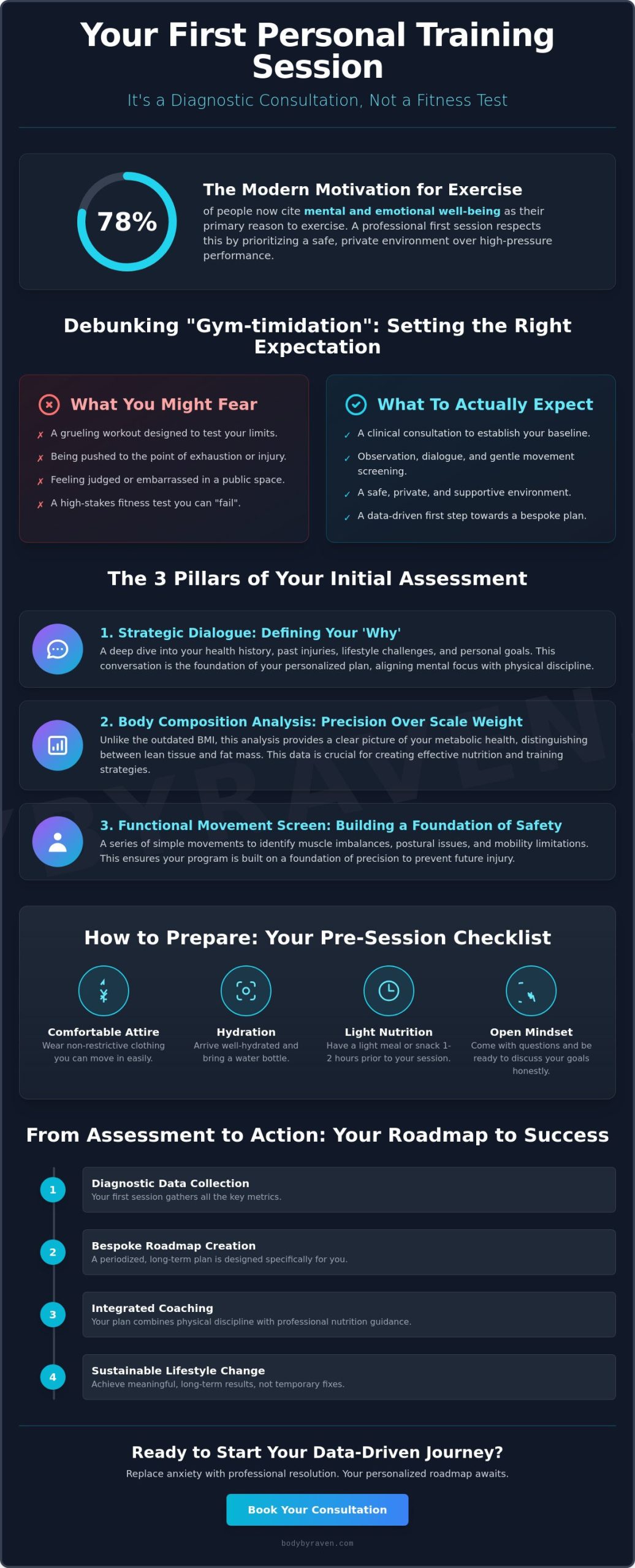
What if your first personal training session was a sophisticated diagnostic consultation rather than a fitness test you could fail? It’s natural to feel a sense of hesitation or even social anxiety when stepping into a new fitness environment. With 78% of people now citing mental and emotional well-being as their primary motivation for exercise, the fear of being pushed too hard or feeling misunderstood is a significant barrier. You deserve a safe, private environment where your specific health history and long-term longevity are the primary focus.
Learning for your first personal training session what to expect is the best way to replace gym-related anxiety with a sense of professional resolution. This article will demystify the assessment process, showing you how a steady, knowledgeable guide builds a bespoke roadmap for your success. We will preview the essential steps of a professional consultation, including movement screenings, body composition analysis, and the integration of nutrition coaching. You’ll discover how a disciplined, private approach to training provides the mental focus and physical direction needed for a significant lifestyle change.
Key Takeaways
- Reframe the initial meeting as a clinical consultation where establishing a baseline takes precedence over immediate physical exertion.
- Understand how movement screenings and body composition analysis provide the precision needed to address muscle imbalances and postural issues.
- Explore the specific advantages of a private studio environment for individuals seeking focused, one-on-one professional guidance without the distractions of a public gym.
- Follow a practical checklist to prepare for your first personal training session what to expect regarding attire, hydration, and nutritional readiness.
- Learn how diagnostic data is used to create a periodized plan that integrates physical discipline with professional nutrition coaching for sustainable results.
Why the First Session with a Personal Gym Trainer is a Diagnostic, Not a Test
Many individuals approach their initial fitness appointment with a blend of hope and apprehension. It’s common to worry about being pushed to the point of physical exhaustion or feeling embarrassed by a lack of technical knowledge. This feeling, often described as “gym-timidation,” is a valid response to entering a high-stakes environment. However, a professional instructor views this initial meeting as a clinical consultation rather than a drill sergeant’s boot camp. The primary objective is to establish a precise health baseline through observation and dialogue.
A specialized mentor doesn’t demand immediate peak performance. Instead, they act as a steady guide, moving you from a point of uncertainty to a feeling of professional resolution. Understanding What is a Personal Trainer? helps clarify this relationship. A high-end professional functions as a disciplined partner in your health, using data and movement science to create a bespoke roadmap. When considering your first personal training session what to expect, think of it as a diagnostic appointment where your safety and long-term sustainability are the only metrics that matter.
By prioritizing your comfort and privacy, the trainer removes the social anxiety often found in public gym settings. This isn’t a test you can fail; it’s the first step in a structured, data-driven journey toward physical change. You’ll find that the focus remains entirely on your specific needs, ensuring you feel understood and supported from the moment you arrive.
The Shift from ‘Workout’ to ‘Assessment’
You won’t be expected to perform at your absolute limit on day one. A professional assessment focuses on identifying a safe starting point to prevent future injury. By establishing this baseline, we ensure your program is built on a foundation of precision rather than guesswork. This session sets the tone for a sustainable partnership where the emphasis is on longevity and holistic health. It’s about finding where you are now so we can plan exactly where you’re going.
Defining Your ‘Why’ and Setting Realistic Goals
We will spend time discussing your health history, past injuries, and the specific lifestyle challenges you face. These details aren’t just checkboxes. They’re the essential components of your personalized plan. We look for measurable milestones that go beyond the number on a scale:
- Identifying specific muscle imbalances that affect your daily mobility.
- Establishing clear cardiovascular baselines for progressive improvement.
- Aligning your mental focus with the discipline required for physical change.
- Creating a roadmap that integrates your personal aspirations with professional rigor.
This alignment ensures that your efforts are directed toward meaningful, long-term results rather than temporary fixes.
The Clinical Evaluation: Body Composition and Movement Screening
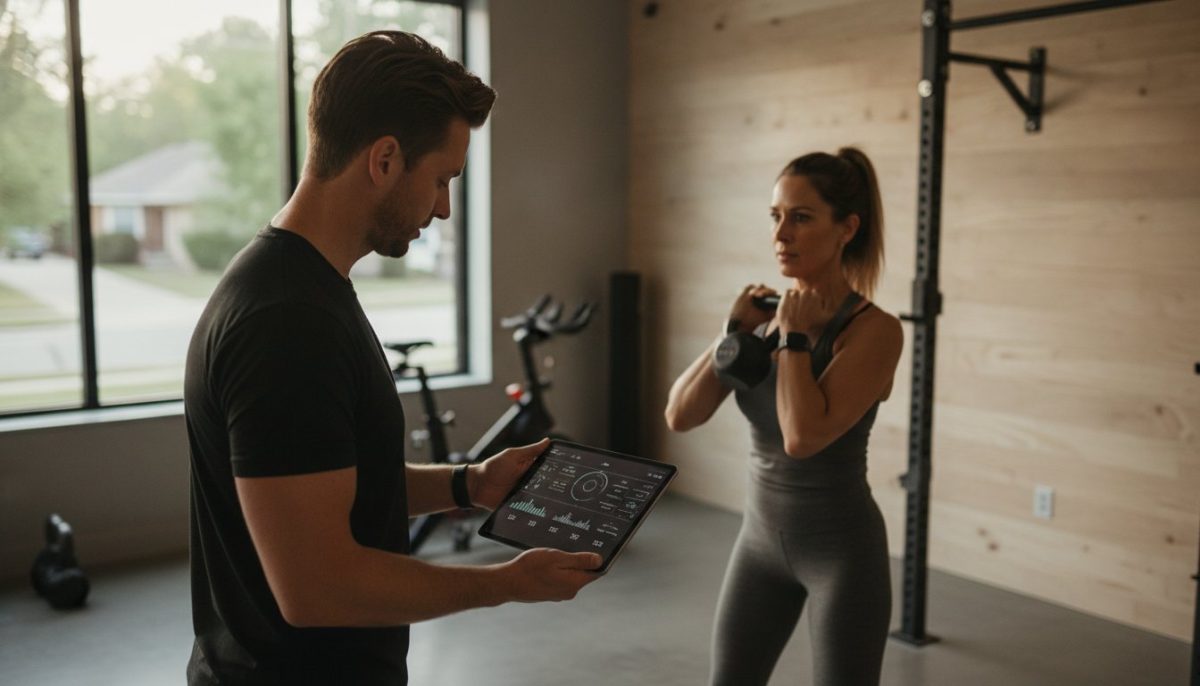
While many expect to be put through a grueling circuit, the reality of a professional first personal training session what to expect is far more scientific. It’s a structured period of data collection designed to eliminate guesswork. We prioritize precision over perspiration to ensure your safety and long term success. This clinical approach allows us to see beyond the surface, identifying the specific physiological markers that will define your progress. By treating this initial meeting as an assessment, we can build a safe, private environment where you feel understood and supported.
Understanding Body Composition Analysis
A key component of this diagnostic is the body composition analysis. Unlike the outdated Body Mass Index (BMI), which fails to distinguish between muscle and fat, this analysis provides a clear picture of your metabolic health. It tells us exactly how much lean tissue you carry, which is vital for maintaining strength and bone density as you age. For regular weigh ins, our focus is on gathering objective data to refine your nutrition plan rather than passing judgment on a single number. This data is particularly important given that 42.4% of U.S. adults are affected by obesity; precision in measurement is the first step toward effective, sustainable weight management.
The Functional Movement Screen (FMS)
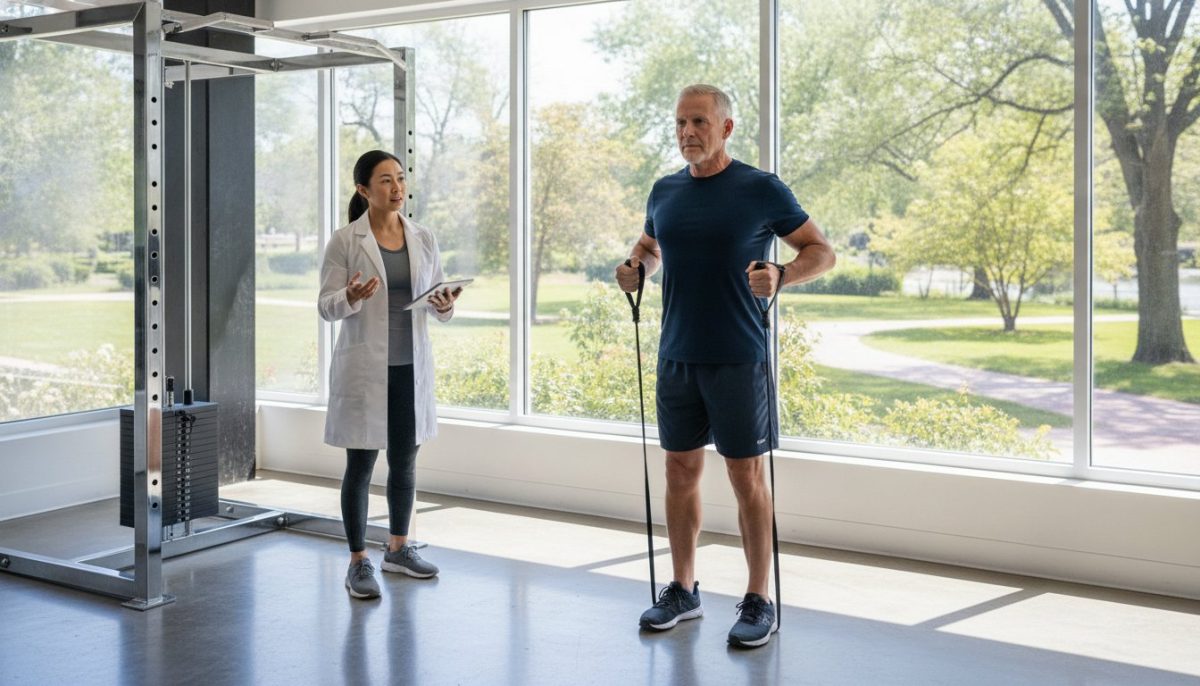
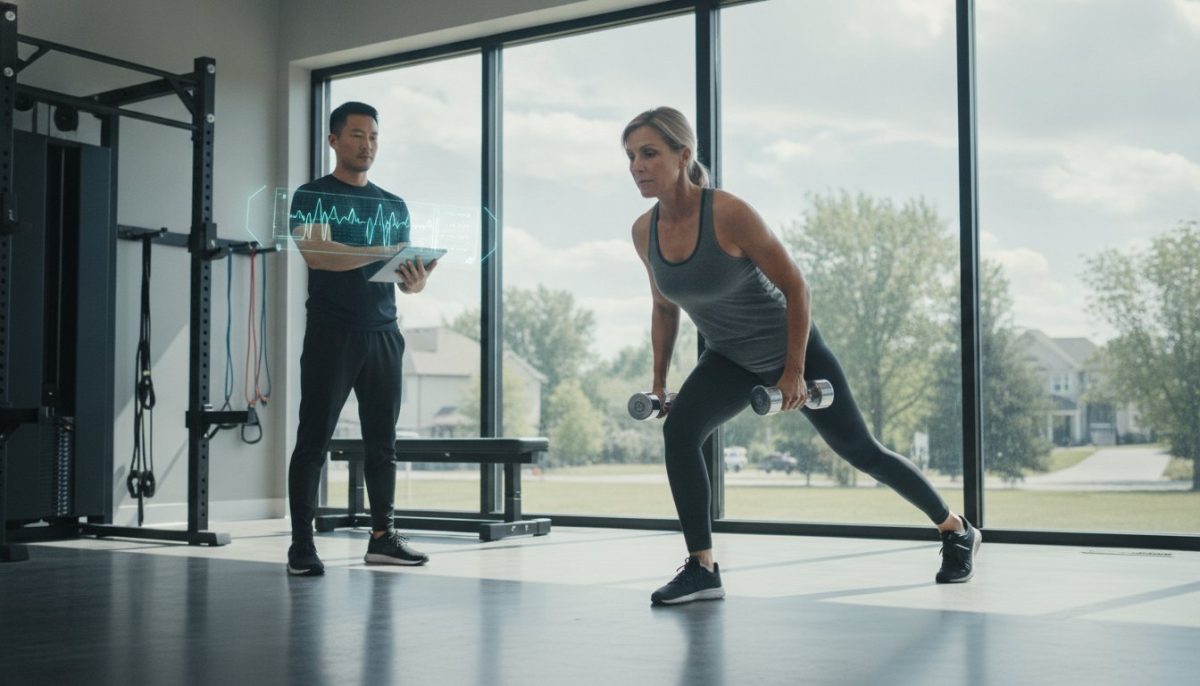
Following the data collection, we move into a Functional Movement Screen (FMS). This is where kinesiology meets practical application. You’ll perform basic movements like squats, lunges, and mobility checks for your shoulders, hips, and ankles. These aren’t exercises for the sake of effort. Instead, they’re diagnostic tools used to identify muscle imbalances or postural issues. We look for ‘energy leaks’ where your body might be compensating for a lack of joint mobility. Identifying these leaks early prevents the plateaus and injuries that often derail fitness journeys. This information is critical for designing a safe personal trainer weight lifting routine that respects your current physical boundaries.
By the end of this evaluation, your program becomes 100% bespoke. Following expert advice on finding a trainer, you should ensure your coach uses these metrics to build a periodized plan. This level of rigor ensures that every minute you spend in the gym is effective and safe. If you’re ready for a transformation rooted in science, seeking professional guidance is the most reliable path forward.
Privacy vs. Performance: The Advantage of a Private Studio
Many people avoid public gyms because they feel like they’re on display. This social anxiety is a legitimate hurdle for individuals who are ready for a significant lifestyle change but feel out of place in a crowded facility. When considering your first personal training session what to expect, the environment plays a pivotal role in your mental focus and direction. A private studio provides a sanctuary where the only eyes on you belong to your specialized mentor. This setting transforms the experience from a public performance into a professional consultation. It feels less like a standard gym visit and more like a high-end consultancy where your health is the primary agenda.
In a private environment, the distractions of a “big box” facility vanish. You don’t have to wait for equipment or navigate the noise of large group exercise classes. This exclusivity allows for a level of precision and professional rigor that’s impossible in a shared space. It’s a supportive partnership where your coach acts as a steady, knowledgeable guide, ensuring every movement is executed with clinical accuracy. This focus on long-term sustainability rather than temporary fixes is what differentiates boutique coaching, exemplified by facilities like Reformer Fitness Studio, from commercial offerings.
Eliminating Social Anxiety in Fitness
The psychological benefits of a controlled, quiet training space are profound. Privacy is essential for those returning to fitness after a long hiatus or those who find public environments intimidating. In a quiet studio, communication with your instructor is clear and uninterrupted. This transparency builds confidence and allows you to ask questions about fitness jargon without hesitation. Referencing professional standards like What to Expect at Your First Personal Training Session, you’ll find that a private setting is the gold standard for conducting the diagnostic movement screens mentioned earlier.
Boutique Coaching vs. Large Group Classes
Choosing a specialized mentor over a large group setting is the difference between a “one size fits all” approach and a bespoke health strategy. Large classes often lack the individualized attention required to address specific muscle imbalances or postural issues. This is why private personal trainer Naperville services are the preferred choice for professionals who value efficiency and safety. In a safe, private space, you can build the mental focus and physical discipline needed for complex movements before ever stepping into a more public arena. This boutique approach ensures that your journey toward longevity is both safe and deeply invested in your individual success.
How to Prepare for Your First Session: A Step-by-Step Checklist
Preparation serves as the bridge between your initial hesitation and a state of professional confidence. By arriving organized, you maximize the value of your diagnostic time and allow your coach to focus entirely on your physical assessment. This proactive approach ensures that your first personal training session what to expect is a streamlined experience rather than a series of logistical delays. Beyond just showing up, you’re participating in a professionalized methodology designed for long-term lifestyle change.
Gathering your health history is a critical first step. You should bring a clear list of any medications, previous surgeries, or chronic injuries. This data allows your specialized mentor to identify potential contraindications before you even begin. Additionally, keeping a simple diet log for the three days prior to your visit provides the raw data needed for integrated nutrition coaching. Mental preparation is equally vital. Arrive with specific questions about your goals and an open mind toward the discipline required for physical change. This level of transparency fosters the supportive partnership necessary for your success.
Logistics and Attire
Your choice of clothing directly impacts the accuracy of your movement screening. Select supportive footwear and flexible, breathable athletic wear that allows for a full range of motion. It’s best to avoid baggy clothes; while they may feel more comfortable, they hide your posture and joint alignment from your instructor. Seeing how your hips, knees, and ankles move in real time is essential for identifying muscle imbalances. Plan to arrive at least 10 minutes early. This buffer allows you to complete any necessary health questionnaires and waivers in a calm, private environment without feeling rushed.
Fueling for Success
Properly fueling your body ensures you have the mental focus and physical energy required for a thorough assessment. Aim for a “Goldilocks” meal roughly 90 to 120 minutes before your appointment. This meal should be balanced but light enough to avoid digestive discomfort during movement. Hydration is another non-negotiable factor. Dehydration impairs both cognitive function and physical performance, making it harder to provide accurate feedback during your screening. Bring a water bottle, a small towel, and a notebook to record the insights your coach provides. If you’re ready to begin this structured journey, you can schedule your private assessment today to start with professional clarity.
From Assessment to Action: What Happens Next?
Once the data collection is complete, the focus shifts from diagnostics to implementation. Your specialized mentor now possesses the precision required to build a bespoke roadmap for your transformation. This is where the first personal training session what to expect transitions from a professional consultation into a disciplined, long-term partnership. The data gathered from your body composition analysis and movement screening doesn’t just sit in a file. It dictates every variable of your upcoming periodized training plan, ensuring your efforts are never wasted on ineffective movements.
Real transformation requires a holistic approach that views the body as an integrated system. It’s not enough to simply perform physical exercises. We integrate professional nutrition coaching into your routine to ensure your metabolic health supports your physical efforts. This multi-faceted process is designed for individuals who are ready for a significant lifestyle change. By aligning your dietary planning with your physical training, we create a steady, sustainable path toward weight loss and improved vitality. The second session is where this plan moves from paper to practice, and the real work of physical change begins.
Reviewing Your Personalized Roadmap
Your movement screen results allow us to select exercises that respect your current joint mobility while challenging your strength. This level of precision eliminates the errors common in large group exercise classes. Many clients view the personal fitness trainer cost as a long-term investment in their healthspan rather than a temporary expense. While every individual responds differently, you can typically expect to see measurable changes in body composition and mental focus within the first six to eight weeks of consistent effort. We establish a schedule that balances recovery with intensity, ensuring you stay committed without risking injury.
Committing to the Process
The 48 hours following your first session are critical for establishing a feedback loop with your coach. You might feel a new awareness of your posture or slight muscle tension as your body begins to adapt to new movement patterns. This is the ideal time to provide feedback. Was the nutrition guidance clear? Did a specific movement screening feel particularly challenging? This transparency allows your trainer to refine the approach before your next visit. Taking this first step requires discipline, but it results in a more confident, capable version of yourself. You’ve moved from a point of uncertainty to a structured, data-driven roadmap. Now, the journey toward longevity and holistic health truly starts.
Your Path to Professional Transformation
Your journey toward a healthier, more capable version of yourself begins with a single, structured step. By shifting your perspective from a grueling workout to a clinical assessment, you replace gym-related anxiety with professional clarity. You now understand for your first personal training session what to expect, from the precision of body composition analysis to the safety of a private studio environment. This diagnostic approach ensures that every movement is tailored to your unique physiology, prioritizing longevity over temporary fixes.
A sustainable lifestyle change requires more than just physical effort; it demands a partnership with a steady, knowledgeable guide. At Body by Raven LLC, we combine PhD-led kinesiology expertise with integrated nutrition and mental focus coaching to build your bespoke roadmap. Our 100% private Naperville studio offers the sanctuary you need to focus entirely on your progress without the distractions of a public facility. You’ve done the research and prepared your history. Now, it’s time to move from uncertainty to a feeling of professional resolution.
Book your private PhD-led assessment at Body by Raven LLC today. Your future health is an investment worth making, and we’re ready to support your success with clinical rigor and motivational support.
Frequently Asked Questions
Do I need to be ‘in shape’ before my first personal training session?
You don’t need a baseline level of fitness to begin. The assessment is designed to meet you exactly where you are, whether you’re returning from a hiatus or starting for the first time. We use this diagnostic period to identify your specific starting point without judgment. This ensures your roadmap is safe and appropriate for your current physical state.
What specific exercises will I have to do during the first meeting?
You’ll perform fundamental movement patterns such as squats, lunges, and basic mobility checks. These are not meant to be high-intensity exercises; they are diagnostic tools used to evaluate joint mobility and stability. Your coach observes these patterns to spot muscle imbalances that could lead to injury during future sessions. The focus remains on precision and safety rather than exertion.
How long does the initial assessment typically last?
A professional consultation usually lasts approximately 60 minutes. This timeframe allows for a comprehensive health history review, body composition analysis, and a functional movement screen. It provides the steady, logical progression needed to move you from a point of uncertainty to a feeling of professional resolution before the real physical work begins in the second session.
Should I eat a full meal before my first training appointment?
Avoid eating a heavy meal immediately before your appointment. Instead, consume a light, balanced snack or meal about 90 to 120 minutes prior. This provides the necessary glucose for mental focus and physical energy without causing digestive discomfort during the movement screening portion of the session. Proper hydration is also essential for peak cognitive and physical performance.
Will I be sore after the first session even if it’s just an assessment?
Significant muscle soreness is unlikely because the focus is on diagnostic movement rather than high-intensity exertion. You might experience a heightened awareness of your posture or joint positioning as you move through the assessment. Any mild tension is simply your body responding to the professionalized methodology used to establish your baseline. It’s a sign that we’re identifying areas that need attention.
What should I bring with me to a private training studio?
When considering your first personal training session what to expect, arrive with a water bottle, a small towel, and a notebook for recording professional insights. Having a written list of medications or previous surgeries is also essential for a safe diagnostic process. These tools allow you to stay engaged and organized while we establish your health baseline and mental focus.
Is nutrition coaching included in the first personal training session?
Integrated nutrition coaching is a vital part of your initial assessment. We analyze your dietary logs alongside your body composition data to understand your metabolic health. This holistic approach ensures that your weight loss program is supported by proper fueling, creating a comprehensive strategy for physical change. It’s about building a foundation for long-term sustainability rather than a temporary fix.
What if I have an old injury that I’m afraid will be aggravated?
Identifying and respecting old injuries is a primary goal of the movement screening process. Your specialized mentor uses this information to modify exercises and ensure your safety from day one. We prioritize injury prevention and corrective strategies to help you build strength without aggravating past physical challenges. This clinical knowledge ensures you feel understood and protected throughout your transformation.


Leave a Reply