How to Choose a Personal Trainer for Injury Prevention in Naperville (2026)

Did you know that 55% of all exercise-related injuries occur within the first three months of starting a new workout program? It’s a sobering reality for many who want to stay active but fear that one wrong move might lead to a debilitating lumbar strain. Finding a qualified personal trainer for injury prevention Naperville shouldn’t be a matter of guesswork. You’ve likely felt the confusion of conflicting online advice or the intimidation of a crowded, impersonal gym where nobody monitors your form. You deserve a path to health that doesn’t feel like a gamble.
This article reveals the scientific framework for injury-free fitness and explains how to identify a specialist who prioritizes your long-term joint health over temporary gains. We’ll explore the clinical credentials that matter, the necessity of integrated nutrition coaching, and the specific steps you can take to regain sustainable strength. By the end, you’ll understand how to select a mentor who helps you move with absolute confidence again.
Key Takeaways
- Define the difference between basic gym safety and a clinical approach rooted in kinesiology and the kinetic chain.
- Evaluate why a private personal training setting provides the necessary focus to prevent form breakdown and movement compensations.
- Master the two-step vetting process to find a qualified personal trainer for injury prevention Naperville who holds advanced academic degrees.
- Explore how integrating precision nutrition coaching supports tissue recovery and reduces systemic inflammation for better joint health.
- Build long-term movement confidence by aligning your physical training with mental focus and professional biomechanical guidance.
Understanding the Role of a Personal Trainer in Injury Prevention
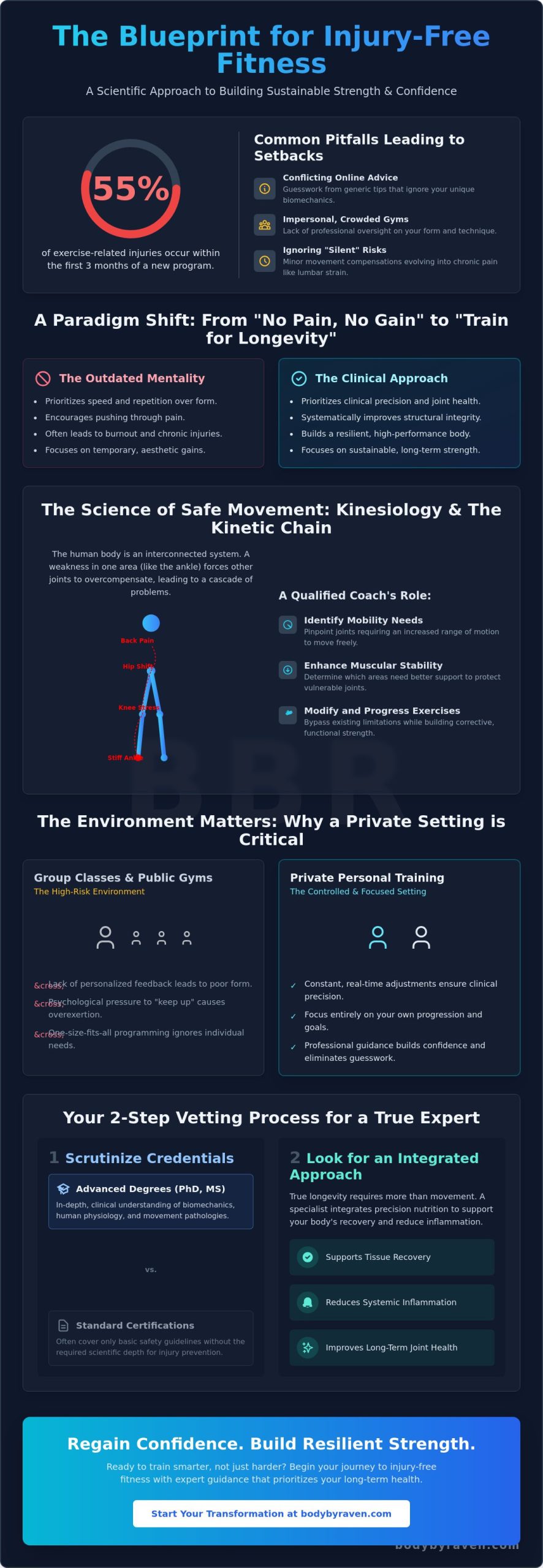
Injury prevention in a professional fitness context is far more than a simple safety checklist. It’s a proactive system of biomechanical management designed to protect your joints while building functional strength. When you seek a personal trainer for injury prevention Naperville, you’re looking for a specialist who views your body as an integrated system rather than a collection of parts. This approach moves beyond the “no pain, no gain” mentality of the past, focusing instead on training for longevity. For the active Naperville resident, this means ensuring that a workout today doesn’t lead to a physical therapy appointment tomorrow.
Most individuals carry subtle movement compensations developed from years of sedentary desk work or old athletic injuries. These “silent” risks often go unnoticed in a standard gym setting. A dedicated specialist identifies these imbalances by observing how your kinetic chain responds to stress. By spotting a collapsing arch or a slight hip shift during a squat, a trainer can intervene before these minor flaws evolve into chronic pain. This professional oversight is especially critical given the rise of high-intensity fitness trends that often prioritize speed and repetition over structural integrity.
Why is ‘Safety First’ more than a simple slogan?
True safety involves the systematic improvement of your structural integrity rather than just avoiding immediate accidents. It requires a deep understanding of the scientific study of human body movement to identify where your specific vulnerabilities lie. For instance, limited ankle mobility might seem like a minor inconvenience, but it often forces the lower back to overcompensate during daily activities. We define injury prevention as the precise intersection of kinesiology and progressive strength training. It’s about building a body that is resilient enough to handle the demands of a high-performance lifestyle without breaking down.
Does one-on-one attention really change the result?
Large group exercise classes often fail individuals with a history of injury because a single instructor cannot monitor twenty different sets of knees simultaneously. The lack of personalized feedback in these environments is where many injuries begin. In a private personal training setting, you receive constant, real-time adjustments that ensure every rep is performed with clinical precision. This environment also eliminates the psychological pressure to “keep up” with others, which is a common cause of overexertion. Working with a personal trainer for injury prevention Naperville allows you to focus entirely on your own progression, moving with the confidence that comes from professional, one-on-one guidance.
The Science of Movement: How Kinesiology Prevents Fitness Setbacks
Kinesiology isn’t just a buzzword; it’s the scientific study of human body movement. It provides the essential data needed to train safely and effectively. When you hire a personal trainer for injury prevention Naperville, you aren’t just paying for a workout partner. You’re investing in a specialist who understands exactly how your musculoskeletal system functions under load. This scientific foundation allows for a transition from random exercise to precise, goal-oriented training.
Understanding the body’s internal mechanics is the first step toward avoiding the “no pain, no gain” fallacy. Instead of pushing through discomfort, a science-based approach identifies the root cause of movement limitations. This ensures that every session builds your body up rather than wearing it down over time. This methodology focuses on long-term sustainability, treating your health as a serious, lifelong commitment.
The Kinetic Chain and Joint Integrity
The human body operates as an interconnected web known as the kinetic chain. If one link is weak or restricted, the entire system suffers. For example, a stiff ankle often forces the knee to overcompensate, which eventually creates chronic stress in the hip or lower back. A qualified coach understands the delicate balance between mobility and stability across different joint segments. They use this knowledge to:
- Identify which joints require more range of motion (mobility).
- Determine which areas need better muscular support (stability).
- Modify exercises to bypass existing limitations while building corrective strength.
PhD-Led Coaching vs. Standard Certifications
Standard weekend certifications are common in the fitness industry, but they rarely cover the depth required to manage complex movement pathologies. PhD-led coaching involves years of rigorous academic study and clinical observation. This level of expertise is vital for individuals who are in a post-rehabilitation phase or those who have a significant history with joint pain. It’s the difference between following a generic template and creating a bespoke program based on actual physiological data.
As you research your options, MedlinePlus offers excellent resources on how to choose a personal trainer who possesses the right academic background for your specific needs. Beyond certifications, a high-level coach will use tools like body composition analysis to assess your physical readiness. This data evaluates muscle mass distribution and identifies imbalances before they lead to setbacks. This level of precision ensures that your path to health is steady, logical, and entirely sustainable.
Private vs. Public Gyms: Why Environment Affects Your Injury Risk
The environment where you choose to exercise plays a decisive role in your long-term physical safety. While large, public facilities in Naperville offer variety, they often lack the controlled atmosphere necessary for precision movement. If you’re working with a personal trainer for injury prevention Naperville, the setting must support absolute focus. In a busy commercial gym, the constant background noise and crowded floor plans create significant mental friction. This friction compromises your proprioception, which is your body’s ability to sense its position and movement in space. When your focus drifts, your form follows, and that’s when injuries occur.
Choosing a private studio provides a level of psychological safety that public spaces simply can’t match. Many beginners or those returning from an injury feel an unspoken pressure to keep up with the pace of a crowded room. This often leads to rushing through repetitions or lifting heavier weights than a body is prepared for. In a private setting, that external pressure disappears. You’re free to focus on the technical nuances of each movement under the watchful eye of a specialist. This is a core part of the PhD-led advantage in private personal training, where the focus remains entirely on your biomechanical health rather than gym throughput.
The Hidden Danger of Gym Distractions
Crowded environments aren’t just annoying; they’re physically risky. When you’re constantly aware of others waiting for your machine, you’re more likely to cut corners on your setup or rest periods. High-stakes injury prevention requires a quiet, dedicated space where every movement is intentional. A controlled environment allows you to tune into your body’s signals, making it easier to identify the difference between productive effort and potential strain. This level of mental focus is essential for ensuring that every exercise strengthens your structural integrity without causing unnecessary wear.
Tailored Equipment and Setup
Public gyms rely on “one size fits all” equipment designed for the average user. However, your body isn’t average. It has unique limb lengths, joint angles, and mobility restrictions. In a private training session, your coach ensures every piece of equipment is pre-set to your exact specifications before you even begin. This eliminates the risk of using a machine with a seat height or range of motion that puts undue stress on your spine or shoulders. When you look at a private vs. group training in Naperville, the ability to customize the physical environment is a major differentiator for those prioritizing joint longevity. It’s about creating a bespoke experience where the gym adapts to you, not the other way around.
How to Evaluate a Personal Trainer for Injury Prevention in Naperville
Vetting a fitness professional is a clinical decision. While many facilities promise results, few provide the academic depth required to protect your long-term joint health. Finding a personal trainer for injury prevention Naperville means looking beyond the surface level of a standard gym certification. You’re searching for a specialist who understands that 55% of exercise-related injuries occur within the first three months of a new program. To avoid becoming part of that statistic, you must verify that your coach possesses a degree in Kinesiology or even a PhD in a related field. These credentials ensure they understand the pathological movement patterns that lead to strains and sprains, which account for 60% of all gym-related injuries.
A legitimate specialist doesn’t rely on guesswork. They begin with a comprehensive movement screen and a professional body composition analysis. This data-driven start identifies muscular imbalances and structural vulnerabilities before you ever lift a weight. Furthermore, a high-end coach will always explain the “why” behind every movement. If they can’t articulate how a specific exercise improves your functional integrity or protects a specific joint, they’re likely following a generic template. Choosing a personal trainer for injury prevention Naperville is an investment in your future mobility, requiring a partner who integrates nutrition and mental focus into a cohesive plan for longevity.
Questions to Ask During a Consultation
A professional consultation should feel like a medical intake rather than a sales pitch. Use these inquiry-based questions to mirror your internal concerns and gauge the trainer’s expertise:
- “How do you modify your programming for someone with my specific injury history?”
- “What is your professional philosophy on training through physical discomfort or pain?”
- “How do you track my physiological progress beyond just the numbers on a traditional scale?”
Red Flags to Watch Out For
Identifying a poor fit early can save you months of physical setbacks. Be wary of trainers who prioritize intensity over technical precision. If a coach pushes for “one more rep” while your form is visibly failing, they’re prioritizing a temporary burn over your joint safety. Another significant warning sign is a lack of interest in your medical history during the intake process. Finally, avoid any professional who relies on generic, high-intensity interval training (HIIT) for every client regardless of their starting point. If you’re ready for a disciplined, science-based approach to your health, schedule your comprehensive body composition analysis today to begin your transformation with confidence.
Building Longevity: Integrating Nutrition and Mental Focus
True physical resilience is built in the kitchen and the mind just as much as it is on the weight floor. While previous sections established the importance of biomechanical precision and a controlled environment, your internal biology remains the final pillar of a sustainable program. A high-level personal trainer for injury prevention Naperville understands that your body cannot repair micro-tears in tendons or ligaments without the proper chemical building blocks. If your daily habits are pro-inflammatory, your recovery stalls. This stagnation is often why strains and sprains remain the most common gym-related injuries. Longevity requires a 24-hour commitment to your structural health.
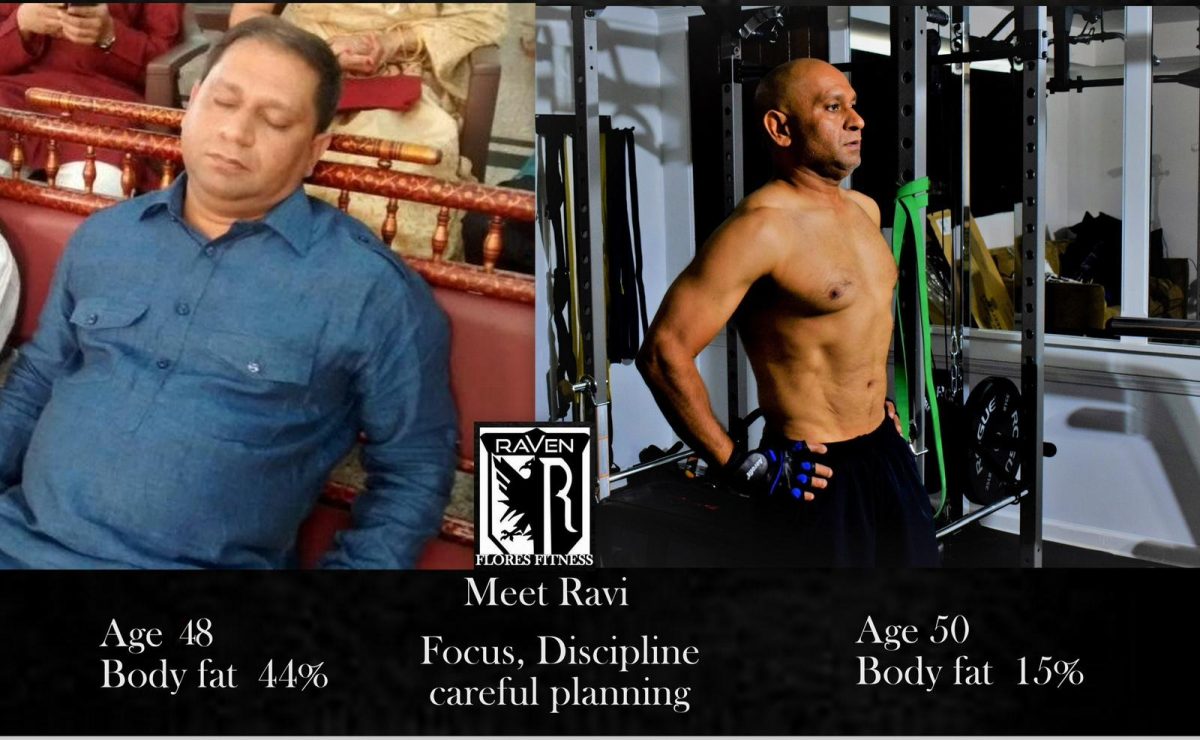
Body by Raven LLC provides a holistic methodology that views transformation as a multi-faceted process. We don’t just look at how you move during your session; we analyze how your lifestyle supports that movement. By combining clinical knowledge with motivational support, we ensure you aren’t just getting stronger, but also more durable. This integrated approach is the only way to achieve a significant, permanent change in your physical capability and confidence.
Nutrition as Internal Injury Prevention
Ligaments and tendons are living tissues that require specific micronutrients and high-quality protein to maintain their elasticity. Without these, your joints become brittle and prone to the overexertion injuries common in high-stress fitness environments. Weight management also serves as a critical form of joint protection. Carrying excess body mass puts unnecessary mechanical stress on the knees and lower back, accelerating wear and tear. We emphasize the necessity of clinical nutrition coaching to ensure your internal chemistry matches your external efforts. Precision fuel leads to precision performance and faster tissue repair.
The Psychology of Safe Movement
Mental fatigue is a silent contributor to physical setbacks. When your mind is tired, your discipline slips and your “mind-muscle connection” weakens. This connection is vital for maintaining balance and stability during complex movements. If you’ve been injured before, you likely carry a fear of re-injury that causes you to move with hesitation. This stiffness actually increases your risk because it prevents your joints from absorbing shock naturally. We help you rebuild the confidence to move with fluidity and direction. This mental clarity leads to better discipline and sustainable results, allowing you to reclaim your lifestyle without the constant shadow of pain. For older adults in the region, working with a personal trainer for seniors in DuPage County offers the same science-backed approach to rebuilding balance and movement confidence at every stage of life. You deserve to move with absolute certainty again.
Secure Your Future Mobility Today
True injury prevention requires a deliberate shift from generic exercise to a precise, clinical methodology. By prioritizing advanced academic credentials and a private training environment, you eliminate the risks associated with crowded public gyms and unverified fitness advice. Your long-term joint health depends on the seamless integration of kinesiology, nutrition coaching, and the mental focus required for sustainable movement. This holistic approach ensures that your body recovers as effectively as it trains, protecting your structural integrity at every stage of your fitness journey.
Finding a dedicated personal trainer for injury prevention Naperville is about more than just avoiding pain; it’s about building a body that supports your lifestyle for decades to come. Dr. Raven Flores offers a proprietary, PhD-led approach that combines professional rigor with a supportive, boutique experience. You don’t have to navigate the confusion of conflicting fitness trends or overwhelming gym environments alone. This partnership provides the steady, knowledgeable guidance you need for a significant and lasting lifestyle change.
Schedule a consultation with Dr. Raven Flores to build your injury-proof fitness plan. Through private coaching and comprehensive body composition analysis, you can move toward your goals with absolute certainty. Your journey toward lasting strength and movement confidence begins with a single, disciplined step.
Frequently Asked Questions
Is a personal trainer worth it for preventing injuries if I’m already active?
Yes, active individuals often face the highest risk of repetitive stress injuries due to hidden movement compensations. Even if you’re fit, subtle imbalances can lead to chronic issues over time. A personal trainer for injury prevention Naperville identifies these flaws through professional assessment, ensuring your current activity level doesn’t lead to a long-term setback. This specialized oversight is vital for maintaining high performance without the risk of sudden injury.
Can a personal trainer help with chronic back or knee pain?
Professional training addresses the underlying biomechanical causes of chronic discomfort by correcting the kinetic chain. Instead of just managing symptoms, a specialist focuses on strengthening the muscles that support your joints and improving your overall structural integrity. This systematic approach often reduces pressure on the lower back and knees, helping you regain confidence in your daily movements. It’s a proactive way to manage long-term joint health through disciplined strength work.
What certifications should I look for in an injury prevention specialist?
You should prioritize academic degrees in Kinesiology or Exercise Science over basic weekend certifications. While standard credentials from organizations like NASM or ACE are common, an injury prevention specialist often holds advanced degrees or a PhD in a related field. This academic rigor is necessary to understand complex movement pathologies. Looking for these clinical credentials ensures the highest level of professional knowledge for your specific needs.
How often should I train to see results without overtraining?
Most individuals see significant progress with two to three focused sessions per week. This frequency provides enough stimulus to build strength while allowing the 48 to 72 hours needed for tissue recovery. A specialized coach monitors your physiological response to prevent the mental and physical fatigue that often leads to injury. Proper recovery is just as important as the training itself for achieving sustainable, long-term results.
Will a personal trainer work with my physical therapist or doctor?
A high-end personal trainer for injury prevention Naperville frequently collaborates with your medical team to ensure your plan aligns with clinical recommendations. This partnership is essential for individuals transitioning from post-rehab protocols to a full strength program. By sharing data and progress reports, your trainer and doctor create a unified path toward your health goals. This professional coordination provides a seamless and safe experience for the client.
What is the difference between physical therapy and injury prevention training?
Physical therapy is typically reactive, focusing on rehabilitating a specific injury after it has already occurred. Injury prevention training is proactive, designed to build a resilient body that resists injury before it happens. While physical therapy addresses acute pain and restoration of basic function, professional training focuses on long-term structural integrity and functional strength. Both are essential, but they serve different stages of your physical journey.
Can I start injury prevention training if I have a current minor injury?
You can often begin training with a minor injury, provided the program is modified by a specialist who understands your limitations. A professional assessment identifies which movements are safe and which require temporary adjustment. This approach prevents muscle atrophy and keeps you on track while your body heals. It’s about training around the limitation rather than pushing through pain, ensuring you maintain progress without aggravating the existing issue.






Leave a Reply