How to Stay Consistent with Healthy Eating Habits? A Nutrition Coach’s Guide
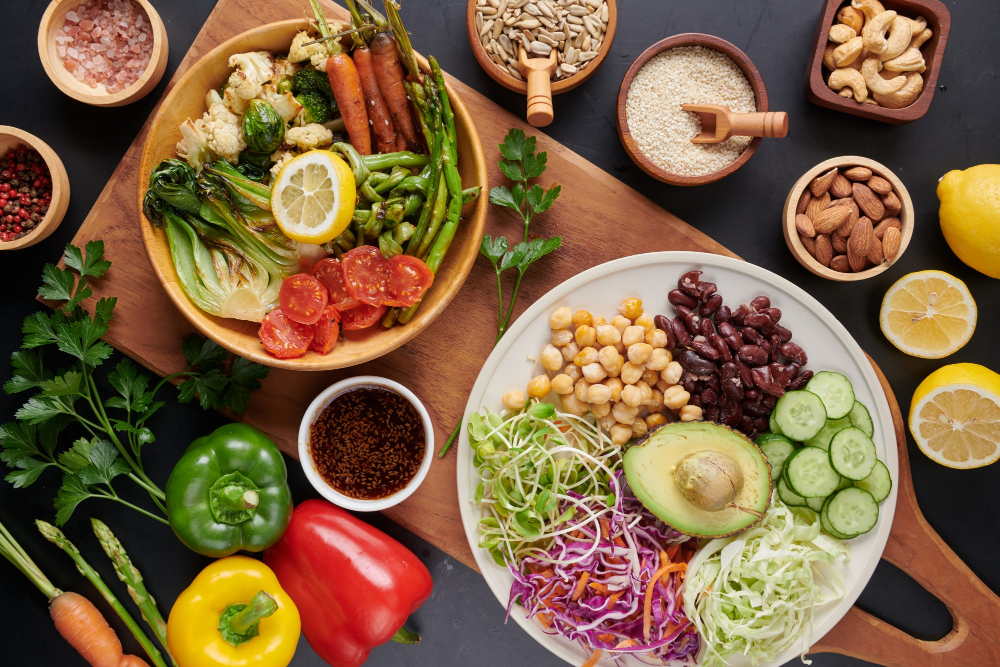
Summary: There are many ways to stick to your healthy eating habits. Focus on realistic goals and plan your meals ahead of time. Keep healthy food accessible and allow flexibility instead of strict rules.
Have you ever started eating healthy with full motivation, only to fall back into old habits after a few weeks? You are not alone in the list. Staying consistent with healthy eating is one of the major challenges people face. It is not only about a lack of knowledge but also about building routines that actually fit into real life. Tight schedules, office work, and thousands of distractions make healthy eating optional. Even if you start eating healthy, you return to your old eating habits after a few days. Many people also seek assistance from a nutrition coach in Naperville to lead a healthy lifestyle. Remember, consistency matters more than perfection. The goal is not to eat perfectly every day, but to make healthy choices most of the time.
A Nutrition Coach’s Guide to Maintain Healthy Eating Habits
Start with Realistic Goals, Not Extreme Changes
One of the primary reasons you lose consistency is that you try to change everything at once. If you cut out all your favorite foods or switch to a strict diet, it may work for a few days, but it rarely lasts. What should you do? Simple! Start small. Instead of saying, “I will never eat sugar again”, you may decide to reduce sugary drinks to twice a week. Focus on gradual changes, as they are easier to maintain and less overwhelming. When your goals feel achievable, you stick with them in the long run.
Build a Simple, Repeatable Meal Routine
Yes, it is helpful! Healthy eating becomes much easier when you remove daily decision fatigue. If you constantly ask yourself, “What should I eat today?”, you may end up choosing convenience over nutrition. Create a simple routine to solve this problem. You do not need a complicated meal plan. Just focus on a few breakfasts, lunches, and dinners that you can rotate. Prioritize staple meals that you enjoy and can prepare quickly. For instance, oatmeal with fruits for breakfast, a protein-based lunch, and a balanced dinner with vegetables and grains.
Plan Your Meals Ahead of Time
Planning is one of the most powerful tools for consistency. When you do not plan, you rely on impulse, and impulse often leads to unhealthy choices. Take a few minutes each week to plan your meals. You do not need a strict schedule, but a general idea of what you will eat. This simple approach will help you shop smarter and avoid last-minute unhealthy decisions. Plan your meal around your lifestyle, instead of forcing a rigid structure. For instance, if you stay busy most of the time, prioritize easy-to-make meals.
Keep Healthy Food Easily Accessible
Convenience plays a huge role in your eating habits. If unhealthy snacks are easier to reach than healthy ones, you will naturally choose the most accessible options. Make healthy foods visible and easy to grab to stay consistent. Keep fruits washed and ready, store chopped vegetables in the fridge, and carry healthy snacks like nuts and yogurt to your workplace. When healthy foods stay within reach, you can avoid cravings for junk foods. You can also consider nutrition packages for more in-depth knowledge.
Allow Flexibility Instead of Strict Rules
Do you know many people fail to follow healthy eating habits because they focus on overly strict rules? The moment they “break” a rule, they think they have failed and give up. Here is a tip! Instead of aiming for perfection, aim for balance. It is okay to enjoy your favourite pizza once a week or plan cheat meals occasionally. When you allow flexibility, you can handle unhealthy cravings. Remember, one meal does not ruin progress. What matters is what you do most of the time, not what happens in a single moment.
Pay Attention to Hunger and Fullness Cues
Learn to listen to your body. Many people eat due to stress, boredom, or habit rather than actual hunger. Before you eat, pause and ask yourself if you are truly hungry or just reacting to emotion. Try to eat your meals slowly and notice when you feel satisfied. Mindful eating helps you build a healthier relationship with food. When you understand your body’s signals, you naturally avoid overeating and make more balanced choices.
Staying consistent with healthy eating is not about becoming perfect; it is about becoming steady. You do not need extreme diets or complicated rules to succeed. What you need are small, realistic habits that fit into your daily life. Nevertheless, if you want more personalized guidance, feel free to get in touch with us.







Leave a Reply