The Definitive List of Foods Containing Iron for Vegetarians: A Ph.D.-Led Nutrition Guide
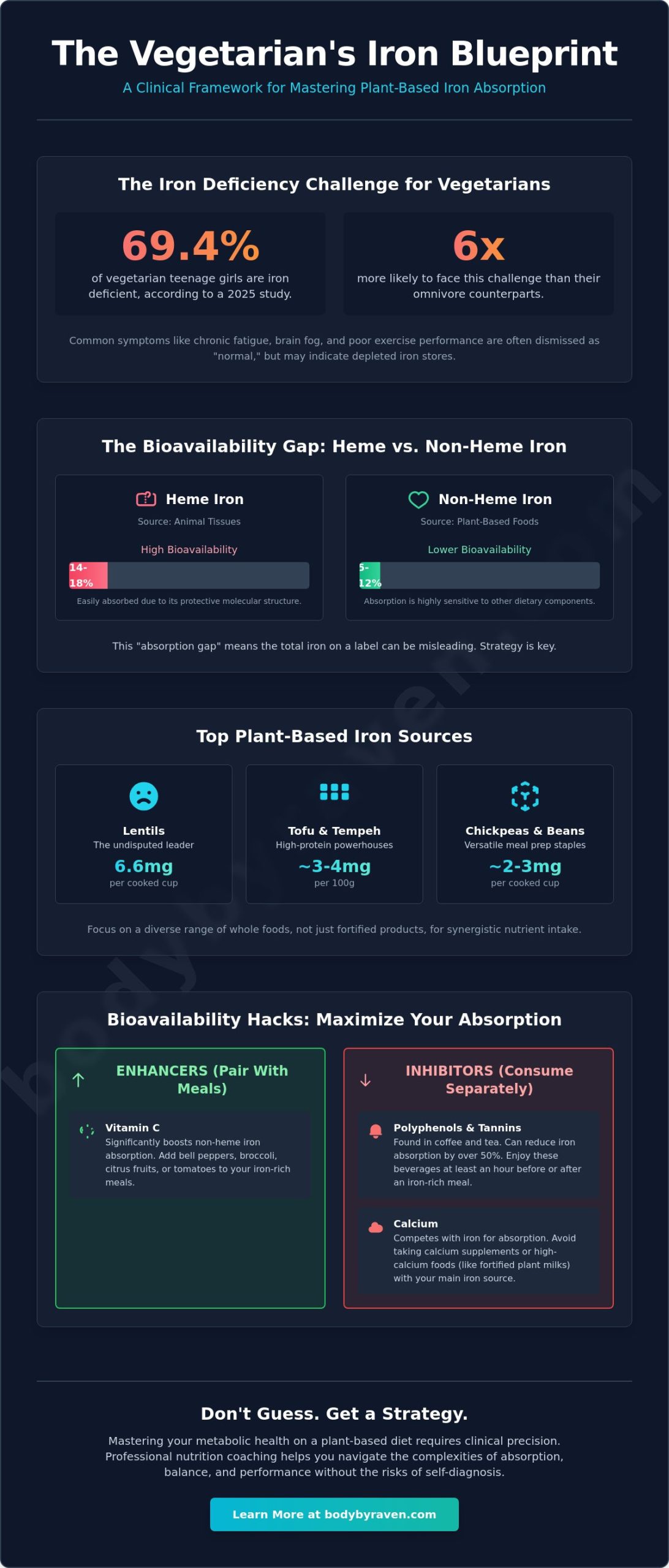
Did you know that a 2025 study found 69.4% of vegetarian teenage girls are iron deficient, making them nearly six times more likely to face this challenge than omnivores? You’ve likely researched various foods containing iron vegetarian experts recommend, yet you still find yourself battling chronic fatigue and a lack of energy. It’s frustrating when a “clean” diet doesn’t deliver the physical performance or mental focus you expected from your lifestyle change.
This guide provides the professional rigor you need to master your metabolic health. You’ll learn how to bridge the absorption gap by understanding why plant-based bioavailability often sits as low as 5% and how to strategically pair nutrients to increase that number. We’ll examine the critical difference between heme and non-heme sources, provide a definitive list of high-iron plants, and offer the same structured nutrition coaching strategies we use to help our clients regain their direction and confidence.
Key Takeaways
- Learn the clinical framework of enhancers and inhibitors to significantly boost your body’s ability to absorb plant-based nutrients.
- Identify the specific foods containing iron vegetarian diets require to meet higher physiological demands and sustain physical performance.
- Access a structured meal plan tailored for the Naperville professional that prioritizes nutrient density and efficient preparation.
- Distinguish between the molecular structures of heme and non-heme iron to better navigate your unique metabolic requirements.
- Understand why professional nutrition coaching is critical for balancing iron levels without the risks of toxicity or self-diagnosis.
The Science of Non-Heme Iron: Why Your Vegetarian Sources Need a Strategy
Iron serves as the primary oxygen transporter in your body, acting as the essential component of hemoglobin in your blood and myoglobin in your muscles. When you consume foods containing iron vegetarian sources provide, your body must convert and transport this mineral to the mitochondria. These cellular powerhouses require iron to facilitate the production of Adenosine Triphosphate (ATP), which is the fundamental energy currency for every physical movement and cognitive process you perform. Without adequate iron, your metabolic engine essentially runs on “low battery” mode.
To understand your internal status, we look at ferritin. Think of ferritin as your body’s iron “savings account.” While your blood iron levels might fluctuate based on your last meal, ferritin represents your long-term reserves. If this account runs low, your metabolic health suffers, regardless of how many calories you consume. Maintaining a healthy balance is a disciplined, bio-chemical strategy that requires more than just a random assortment of greens.
Heme vs. Non-Heme: Understanding the Bioavailability Gap
The molecular distinction between iron types is the reason why a simple grocery list isn’t enough for a plant-based athlete. Heme iron, found in animal tissues, exists in a soluble, ring-like structure that the body absorbs with relative ease. Non-heme iron, found in plant sources, lacks this structure and is highly sensitive to other dietary components. Research indicates that the bioavailability of non-heme iron is typically between 5% and 12%, whereas animal-based heme iron ranges from 14% to 18%.
This gap means the “total iron” listed on a food label is often a misleading metric for vegetarians. At Body by Raven LLC, our Ph.D.-led nutrition coaching accounts for this disparity by focusing on net absorption rather than gross intake. We understand that your body’s ability to utilize Vegetarian Nutrition Overview principles depends on precise biochemical pairing. Simply eating iron is not the same as absorbing it.
Why Iron Matters for Naperville’s Active Adults
For the high-achieving professional in Naperville, iron status often dictates the boundary between peak performance and persistent burnout. Many adults mistake chronic brain fog or a decline in exercise tolerance for natural “aging.” In reality, these are frequently symptoms of depleted iron stores affecting muscle protein synthesis and metabolic efficiency. Iron is vital for cognitive clarity; when your brain lacks oxygen, your mental focus and decision-making abilities diminish.
Optimal iron levels are non-negotiable for maintaining the physical stamina needed for a private personal trainer Naperville program. When your muscles have sufficient myoglobin, they recover faster and adapt more effectively to resistance training. By prioritizing the right foods containing iron vegetarian athletes can maintain their competitive edge and long-term health without compromising their dietary philosophy. This integrated approach ensures that your transformation is supported by clinical precision at every stage.
The Ultimate Roundup: Top Foods Containing Iron for Vegetarians
Achieving your Recommended Dietary Allowance (RDA) on a plant-based diet requires a disciplined selection of whole foods. While many people rely on fortified cereals, these processed options often lack the synergistic nutrients found in whole foods containing iron vegetarian enthusiasts need for long-term vitality. Relying on a diverse range of food categories ensures you aren’t just hitting a number but fueling your body with the micronutrients necessary for cellular repair and metabolic efficiency. A Ph.D.-led approach focuses on variety to prevent nutrient gaps that often lead to the chronic fatigue associated with poorly planned vegetarianism.
Powerhouse Legumes and Soy Derivatives
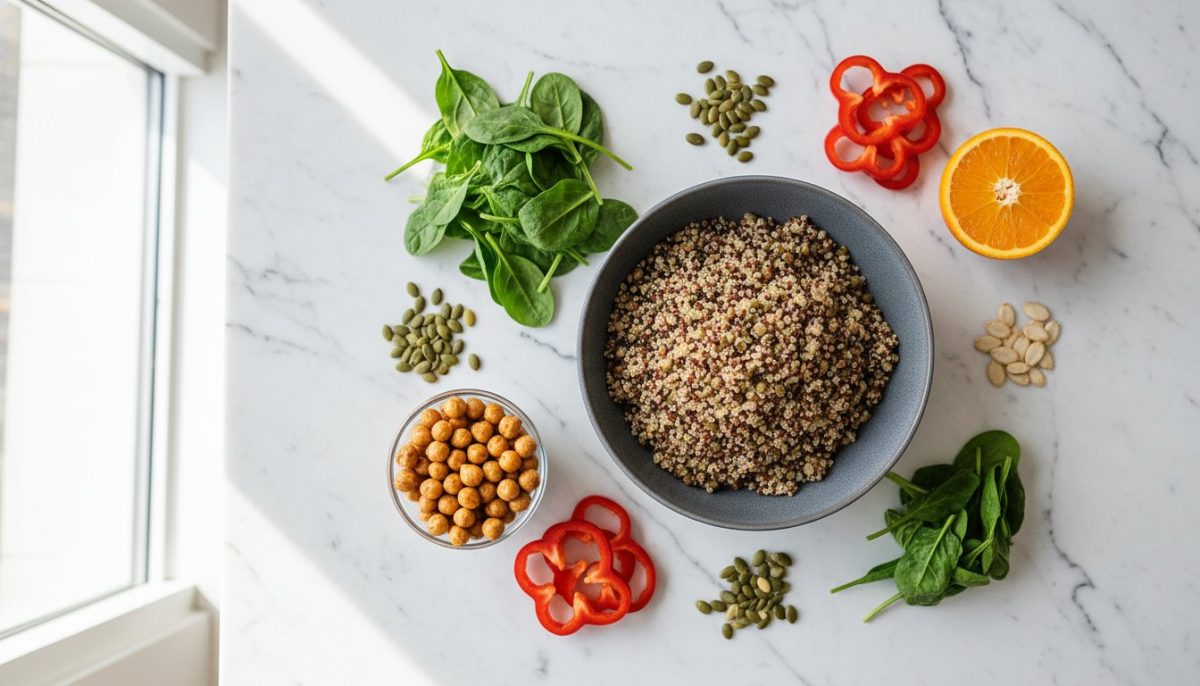
Lentils stand as the undisputed leader in this category, providing approximately 6.6mg of iron per cooked cup. They are an essential staple for anyone serious about their metabolic health. Chickpeas and kidney beans follow closely, offering a versatile base for meal prepping that sustains energy throughout a demanding work week. For those focused on muscle protein synthesis, tofu and tempeh provide a high-protein, iron-rich alternative to animal products. These staples are central to our personalized weight loss program, where we prioritize satiety and muscle preservation alongside nutrient density.
Nutrient-Dense Seeds, Nuts, and Ancient Grains
Small additions to your daily routine can yield significant results. Pumpkin seeds, or pepitas, are remarkably dense in both iron and magnesium, which is a mineral that supports muscle function and recovery. Hemp and chia seeds are excellent for adding iron to morning smoothies or oats without significantly altering the flavor profile. Ancient grains like quinoa, amaranth, and teff consistently outperform modern wheat in mineral content. According to The Nutrition Source on Iron, these non-heme sources are vital for maintaining energy levels. Teff, in particular, is a tiny grain that packs a substantial punch, offering significantly more iron than traditional grains used in standard diets.
Leafy Greens and Iron-Rich Vegetables
Leafy greens like spinach and Swiss chard are iconic, but cooking them is a professional secret for increasing iron accessibility. Heat helps break down oxalic acid, which can otherwise bind to minerals and prevent absorption. Don’t overlook the humble potato; when eaten with the skin, it provides a steady source of non-heme iron and potassium. Incorporating beet greens or dandelion greens adds another layer of micronutrient density to your plate. These vegetables serve as the foundation for a resilient body, ensuring your cells receive the oxygen they need for peak performance. If you feel your current diet isn’t delivering these results, our nutrition coaching can help you refine your choices for maximum impact.
By rotating these foods containing iron vegetarian sources provide, you create a robust nutritional profile. This variety protects against the monotony that often leads to dietary “slippage” and ensures a steady supply of the building blocks required for a high-functioning metabolism. Precision in food selection is the first step toward moving from a state of fatigue to one of focused energy.
The Bioavailability Hacks: How to Double Your Iron Absorption
Simply identifying foods containing iron vegetarian sources provide is only the first step in a professional nutrition strategy. To truly master your metabolic health, you must understand the clinical framework of enhancers and inhibitors. This approach moves beyond basic calorie counting to focus on nutrient competition and absorption efficiency. By manipulating the chemical environment of your digestive tract, you can effectively double the amount of iron your body successfully harvests from your meals. It’s about working with your biology rather than against it.
Vitamin C Pairing: The Chemical Catalyst
Ascorbic acid, commonly known as Vitamin C, acts as a powerful chemical catalyst for non-heme iron. When you consume Vitamin C alongside iron-rich plants, it performs two critical functions. It reduces ferric iron to its more soluble ferrous state, which the body absorbs more easily. It also helps neutralize the effects of phytates, which are compounds in whole grains that often block mineral uptake. You should view every meal as a pairing opportunity. Squeezing fresh lemon over a spinach salad or adding sliced bell peppers to a bowl of lentils transforms a standard meal into a high-bioavailability event. These small, disciplined choices lead to significant long-term changes in your energy levels.
The Inhibitor List: Coffee, Tea, and Calcium
While some compounds help, others act as physiological roadblocks. Tannins and polyphenols, found in coffee and tea, are notorious for binding to iron and preventing its absorption. If you drink these beverages during or immediately after a meal, you might be negating the benefits of your carefully selected diet. We recommend a 60-minute buffer between your iron-rich meals and your caffeine intake to ensure clear absorption pathways.
Calcium also presents a challenge due to nutrient competition. The “300mg rule” suggests that consuming more than 300mg of calcium in a single sitting can inhibit iron uptake, as both minerals compete for the same transport pathways in the gut. For those who prepare grains and seeds at home, soaking or sprouting these items can further reduce phytic acid levels. This clearing of the path allows for better mineral delivery to your cells.
A traditional but effective supplemental strategy involves the use of cast-iron cookware. Preparing acidic foods, like tomato-based sauces, in a cast-iron skillet can leach small amounts of dietary iron into your meal. While this isn’t a replacement for a diverse diet, it serves as a steady, reliable addition to your routine. Managing these variables is a core component of our nutrition coaching. We help you navigate these complexities so that the foods containing iron vegetarian lifestyles rely on actually produce the mental focus and physical stamina you deserve.
Meal Planning for Performance: Iron-Rich Days in Naperville
Translating clinical knowledge into a functional daily routine is where many plant-based professionals struggle. For the active Naperville adult, a diet consisting of foods containing iron vegetarian sources provide must be both efficient and nutritionally dense. You don’t need hours of meal preparation to maintain your ferritin levels; you need a disciplined strategy that honors your schedule. By structuring your day around the bioavailability principles discussed earlier, you ensure that every bite supports your metabolic health and physical stamina. This approach is particularly effective when you combine these mineral-dense choices with leucine rich foods to optimize muscle protein synthesis and recovery.
Sample High-Iron Vegetarian Menu for Training Days
A successful day of fueling begins with a focus on synergistic pairings. This sample menu is designed to move you through a demanding professional day in DuPage County without the mid-afternoon energy crashes often associated with iron deficiency.
- Breakfast: Steel-cut oats topped with three tablespoons of hemp seeds and a cup of sliced strawberries. The Vitamin C in the berries acts as the catalyst for the non-heme iron in the oats and seeds.
- Lunch: A cold quinoa and black bean salad tossed with a lime-cilantro dressing. This meal is quick to prepare and provides a robust profile of foods containing iron vegetarian athletes require for oxygen transport during evening workouts.
- Dinner: Red lentil pasta served with sautéed kale in a rich tomato-based sauce. Using a tomato base increases the acidity of the meal, which further enhances iron uptake, especially if prepared in a cast-iron skillet.
Between these meals, snacks like pumpkin seeds or a small handful of dried apricots provide sustained energy. These choices prevent the depletion of your “iron savings account” during intense training blocks.
Sourcing Quality Ingredients in DuPage County
Where you source your produce matters for your micronutrient profile. We often recommend that our clients visit local Naperville farmers markets, such as the one at 5th Avenue Station, to find fresh, soil-dense greens like Swiss chard and dandelion greens. Freshly harvested vegetables often retain higher mineral concentrations than those that have spent weeks in transit. While conventional produce is acceptable, organic options can sometimes offer a cleaner micronutrient profile by avoiding certain synthetic inhibitors used in industrial farming.
Precision in your grocery list is a hallmark of a mature health strategy. A nutrition coach Naperville IL can help you refine these choices based on your specific body composition and performance goals. We provide the direction and confidence needed to navigate the complexities of plant-based nutrition without the guesswork. If you are ready to stop feeling fatigued and start performing at your peak, our bespoke nutrition coaching offers the clinical excellence required for a lasting transformation.
Beyond the Plate: When Nutrition Coaching Meets Clinical Results
Selecting the right foods containing iron vegetarian sources provide is a vital foundation, but true mastery of your health requires a shift from dietary guesswork to clinical precision. Self-diagnosis remains a significant risk for individuals on a plant-based path. Chronic fatigue can stem from various physiological sources, and assuming an iron deficiency without data can lead to improper supplementation. In the context of micronutrients, more is not always better. Consuming iron beyond the Tolerable Upper Intake Level of 45 mg per day for adults can lead to toxicity, which creates oxidative stress and damages cellular structures.
Professional health management moves beyond the grocery list to look at how your body utilizes what you consume. At Body by Raven LLC, we view nutrition as a supportive partnership. We help you move from a point of uncertainty to a feeling of professional resolution by using data to drive your dietary decisions. This ensures your commitment to a vegetarian lifestyle doesn’t come at the cost of your physical performance or long-term sustainability.
Tracking Ferritin and Hemoglobin with Professional Guidance
Blood work is an essential tool for anyone maintaining a strict vegetarian diet. It’s the only way to confirm if your dietary strategies are actually translating into healthy internal stores. While many laboratory results will flag a level as “normal,” we focus on what is “optimal” for your specific life stage and activity level. Ferritin is the protein that stores iron for future use. A level that is technically within range might still be too low to support the mental focus and direction required for a high-intensity professional life in Naperville. Regular monitoring allows us to adjust your nutrition coaching before a minor dip becomes a chronic performance issue.
Integrating Iron into Your Weight Loss Journey
Iron plays a silent but critical role in maintaining your metabolic rate, especially during a weight loss program. When you are in a calorie deficit, your body requires efficient oxygen transport to sustain energy for workouts and facilitate cellular repair. This mineral works in synergy with other essential nutrients to protect your lean muscle mass. Understanding how much protein to eat to lose weight is a core part of the equation, but those proteins cannot be effectively utilized if your metabolic environment is compromised by low iron status.
We use body composition analysis to monitor how these nutritional adjustments impact your physical transformation. This data-driven approach ensures that your weight loss is coming from fat stores rather than muscle tissue. If you are ready for a disciplined, no-nonsense partner in your health journey, we invite you to book a consultation for a bespoke wellness plan. By combining clinical knowledge with motivational support, we provide the steady guidance you need for a significant and lasting lifestyle change.
Take Control of Your Metabolic Vitality
Mastering your intake of foods containing iron vegetarian diets provide is a significant step toward reclaiming your energy and focus. You’ve learned that success depends on more than just food choice; it requires a disciplined strategy involving nutrient pairing and the avoidance of common inhibitors. By moving from general nutrition advice to a clinical framework, you ensure your body actually utilizes the minerals you consume to fuel your physical performance. It’s about shifting from a state of chronic fatigue to one of sustained metabolic power.
Sustainable change happens when data meets professional expertise. Our private boutique coaching environment in Naperville offers the precision of Ph.D.-led nutrition and kinesiology guidance. We utilize advanced body composition analysis and metabolic tracking to move you toward your optimal health markers with confidence. It’s time to stop guessing and start measuring your progress with a partner who understands the complexity of your lifestyle.
Schedule Your Clinical Nutrition Consultation with Dr. Raven today to begin your bespoke wellness journey. We look forward to supporting your long-term transformation.
Frequently Asked Questions
Can vegetarians get enough iron without supplements?
Yes, most individuals can meet their requirements by consuming a diverse range of foods containing iron vegetarian protocols recommend. You must account for the fact that the Recommended Dietary Allowance (RDA) for vegetarians is 1.8 times higher than for those who eat meat. This means a premenopausal woman needs approximately 32.4 mg daily, which requires a disciplined focus on both nutrient density and strategic pairing.
What are the symptoms of low iron in active adults?
Active adults often experience persistent lethargy, cognitive “brain fog,” and a noticeable decline in workout recovery. These symptoms frequently mimic the natural signs of aging, leading many to ignore the underlying deficiency. Physical markers like brittle nails, restless legs, or cold extremities are also common indicators that your internal stores of iron are running low.
Does cooking spinach make the iron easier to absorb?
Cooking spinach significantly increases the accessibility of its iron content. Heat helps degrade oxalates, which are compounds that bind to minerals and prevent them from being absorbed in the digestive tract. Additionally, cooked spinach is much more compact than raw leaves, making it easier to consume the volume necessary to reach your daily targets in a single meal.
How long does it take to raise iron levels through diet alone?
Raising your ferritin levels through dietary intervention usually requires a commitment of two to three months. Because red blood cells have a lifecycle of approximately 120 days, physiological changes happen at a steady, gradual pace. We use nutrition coaching to ensure your strategy remains consistent enough to produce measurable results on your next clinical blood panel.
Can I drink coffee if I am trying to increase my iron intake?
You can still enjoy coffee, but you should avoid consuming it within one hour of your iron-rich meals. The polyphenols and tannins in coffee can inhibit non-heme iron absorption by a significant margin. Creating a buffer between your caffeine intake and your meals ensures your body has a clear pathway to harvest essential minerals from foods containing iron vegetarian sources provide.
Is it possible for a vegetarian to have too much iron?
It is possible to reach excessive levels, although this is rarer on a plant-based diet without improper or excessive supplementation. The Tolerable Upper Intake Level is set at 45 mg per day for adults. Exceeding this limit can lead to iron toxicity and oxidative damage, which is why we emphasize data-driven tracking and professional guidance over blind supplementation.
Are eggs a good source of iron for vegetarians?
While eggs contain iron, they aren’t the most efficient source for those seeking optimal absorption. One large egg provides about 0.9 mg of iron, but it also contains a protein called phosvitin that can actually inhibit the absorption of iron from other food sources in the same meal. Legumes, seeds, and ancient grains remain superior choices for meeting your daily requirements.
How does iron affect my ability to burn fat during exercise?
Iron is a critical cofactor for the mitochondrial enzymes that facilitate fat oxidation. If your iron levels are low, your body struggles to convert stored fatty acids into usable energy during your private personal training sessions. Optimizing your iron status ensures your metabolic engine has the oxygen it needs to burn fuel efficiently and sustain high-intensity performance.


Leave a Reply